
Continuous Filter Belts for Plastic Recycling: Improving Output Quality and Reducing Downtime

How continuous filter belts solve the core filtration challenge in plastic recycling lines — reducing downtime, improving melt quality, and enabling consistent output from heavily contaminated post-consumer feedstock.
Welded vs. Framed vs. Pleated Extruder Screen Packs: Which One Is Right for Your Process?
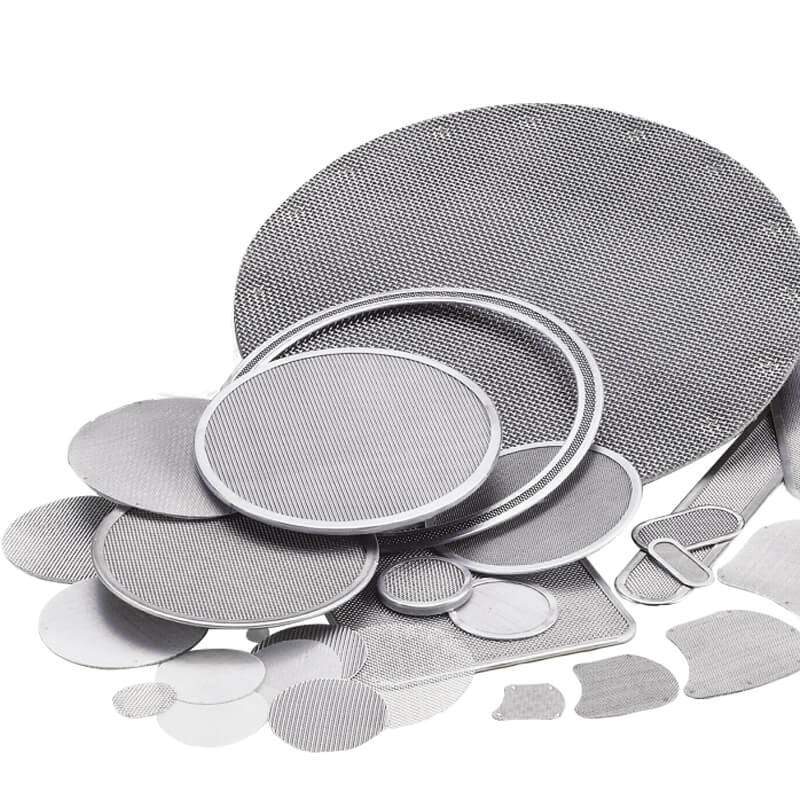
Not all extruder screen packs are built the same. This guide breaks down the key differences between welded, framed, and pleated screen packs — covering construction, performance, pressure handling, and which type suits your polymer extrusion process.
How to Choose the Right Continuous Filter Belt for Your Screen Changer
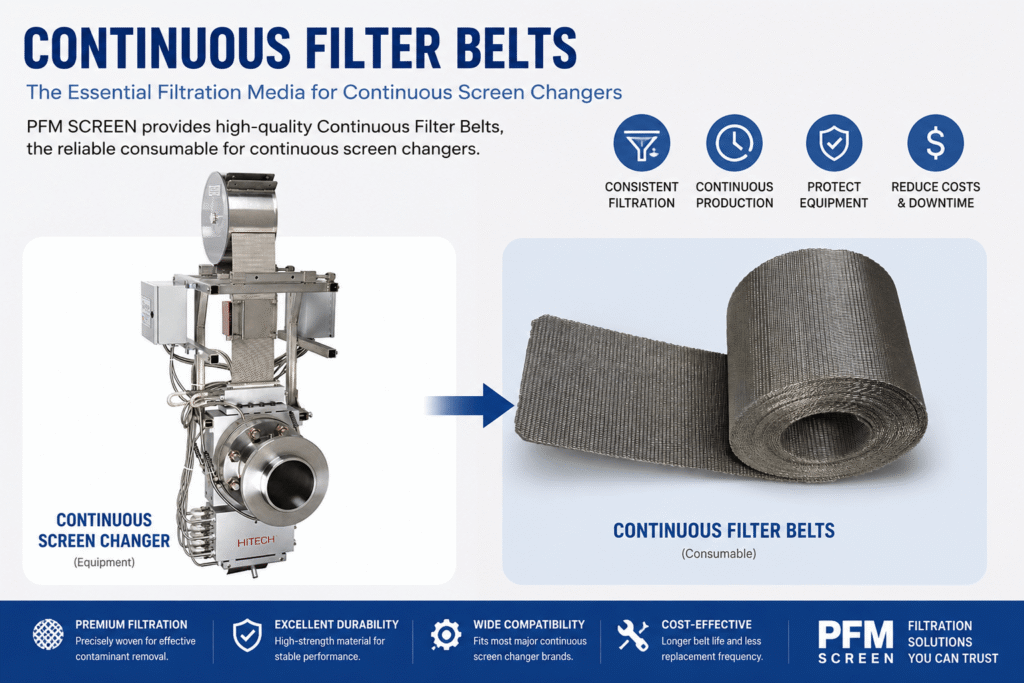
Step-by-step guide to selecting the right continuous filter belt — correct width, micron rating, weave type and material grade for your screen changer and polymer type.
How to Choose the Right Extruder Screen: Mesh Count, Micron Rating & Layer Configuration Explained
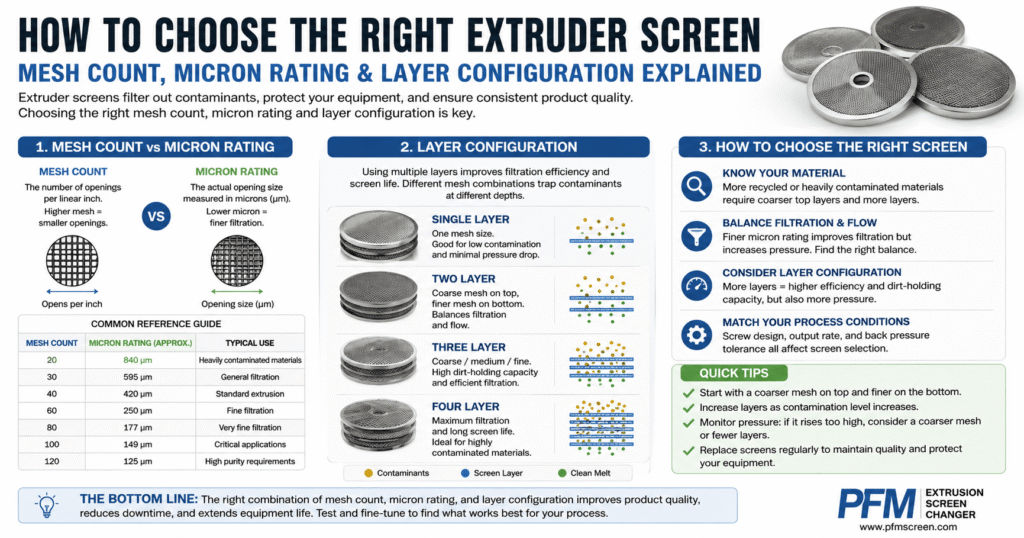
A complete guide to extruder screen selection covering mesh count, micron rating, layer configuration, screen pack types, materials, and equipment compatibility. Includes reference tables for all major polymers and applications.
EMI/RFI Shielding Made Easy: How Copper Wire Mesh Protects Your Electronics
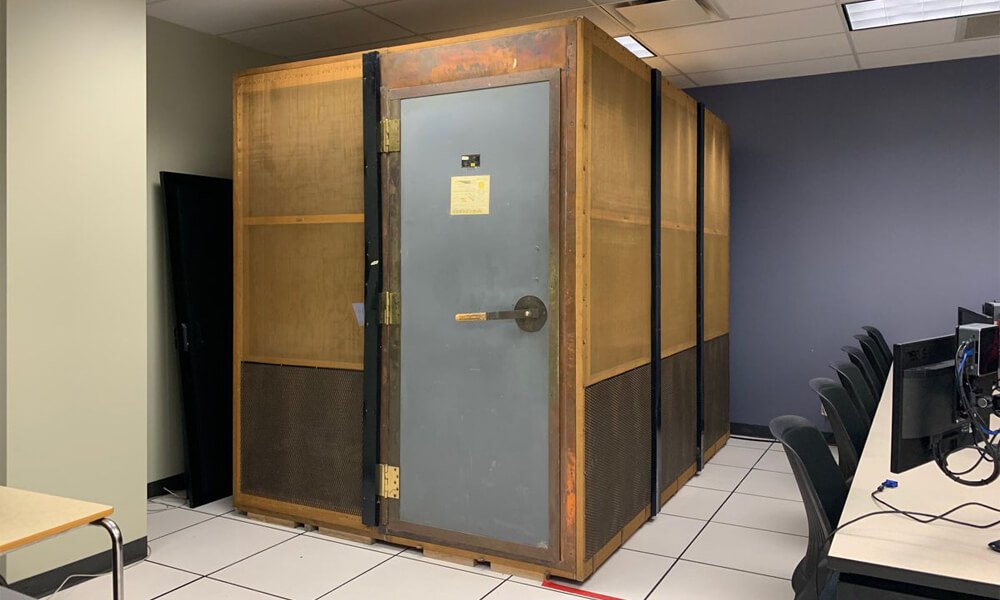
In today’s hyper-connected world, electronic devices face an invisible threat every moment — electromagnetic interference (EMI) and radio frequency interference (RFI). From your smartphone to industrial control systems, unwanted electromagnetic waves can disrupt signals, corrupt data, and even cause complete system failure. That’s where EMI/RFI shielding comes in, and copper wire mesh stands out as […]
Duplex Stainless Steel Wire Mesh: Chemical Composition, Mechanical Properties & Specifications
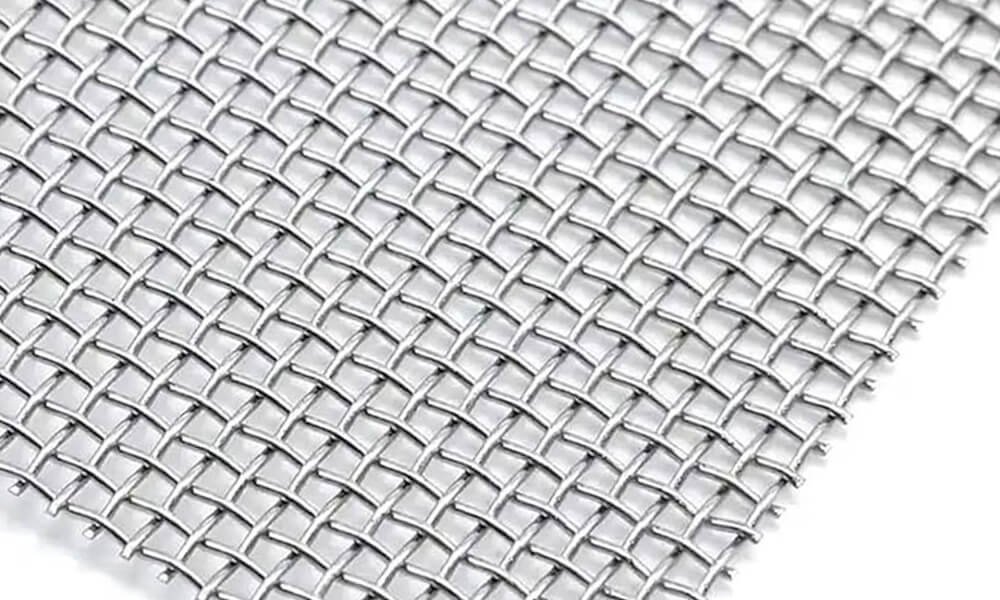
Introduction Duplex stainless steel wire mesh is a high-performance material widely used in demanding industrial applications. This comprehensive guide covers its chemical composition, mechanical properties, and technical specifications to help you understand why it’s the preferred choice for critical filtration and structural applications. What is Duplex Stainless Steel Wire Mesh? Duplex stainless steel wire mesh […]
High-Temperature Filtration: Why 310 Stainless Steel Mesh is the Industry Standard
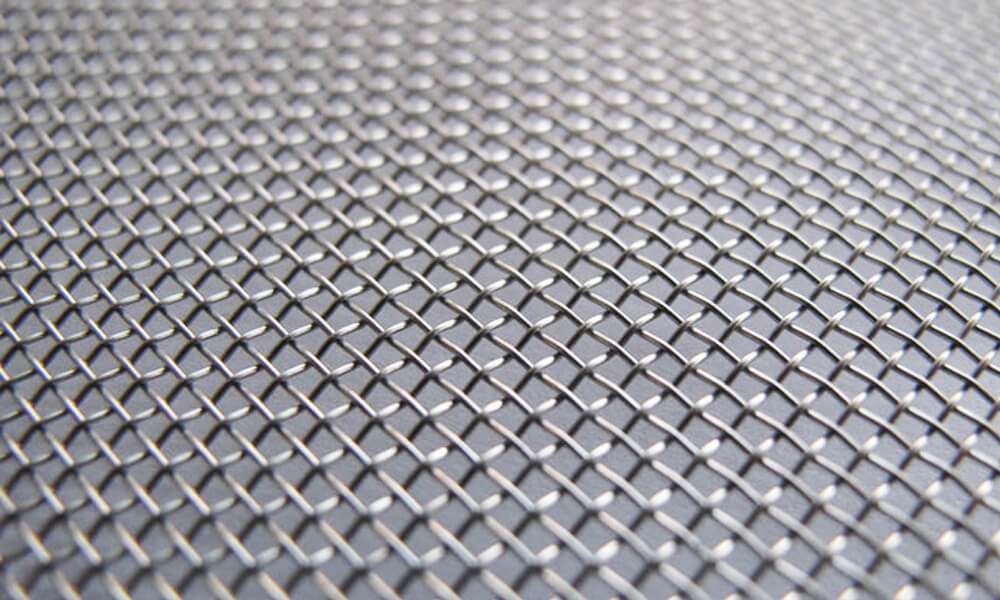
When industrial processes demand extreme heat resistance, standard stainless steel grades often fall short. Enter 310 stainless steel wire mesh—the unsung hero of high-temperature filtration applications. With its exceptional heat resistance up to 1100°C (2012°F), 310 grade has become the go-to material for industries where failure is not an option. At PFM SCREEN, we have […]
304 vs 316 Stainless Steel Wire Mesh: Which Grade is Right for Your Application?
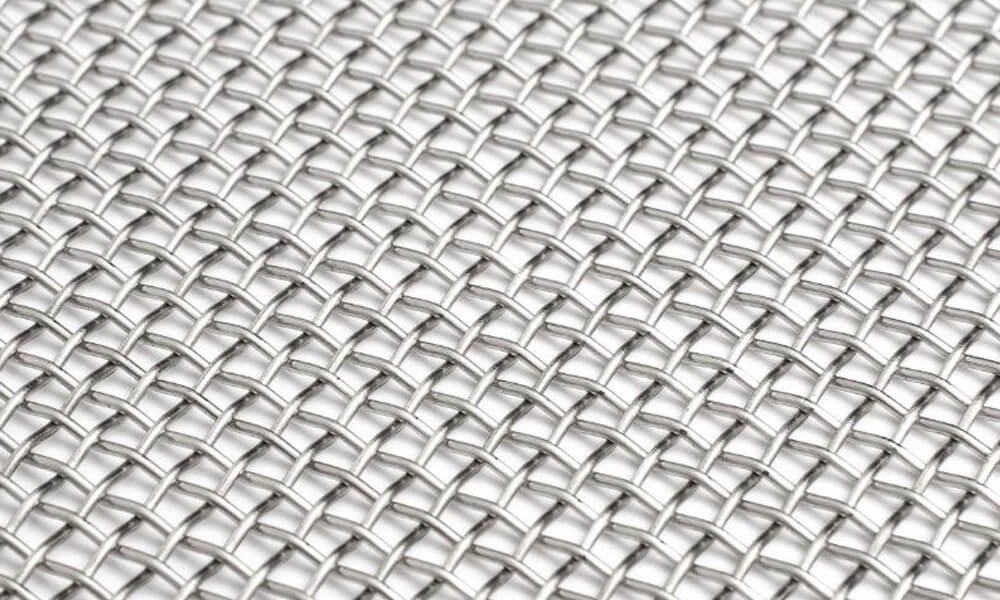
When selecting stainless steel wire mesh for industrial applications, choosing between 304 and 316 stainless steel is one of the most critical decisions you will make. Both grades offer excellent corrosion resistance and durability, but their performance characteristics differ significantly depending on your operating environment. At PFM SCREEN, with over 30 years of manufacturing expertise, […]
The Science Behind Stainless Steel Wire Mesh Corrosion Resistance

Stainless steel wire mesh is widely used in chemical processing, marine environments, food production, pharmaceutical filtration, and oil & gas systems. One of its most critical performance advantages is corrosion resistance. However, stainless steel is not “rust-proof” by default. Its corrosion resistance is the result of specific metallurgical composition, passive film formation, alloying elements, and […]
Woven Wire Mesh Specifications Explained (Mesh Count, Micron, Wire Diameter)
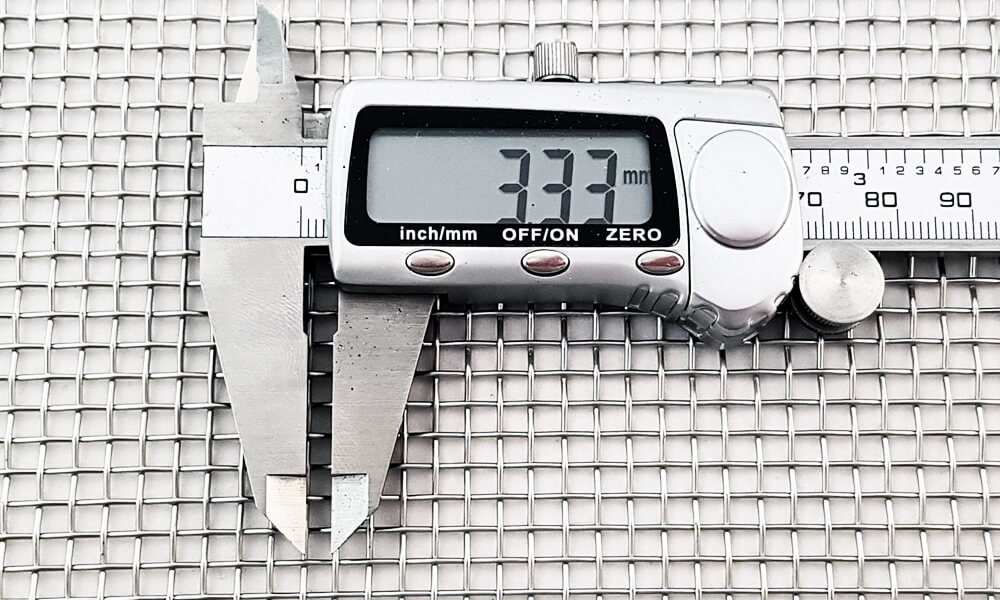
Entering the world of industrial wire mesh can feel a bit like learning a new language. You’ll hear terms like “mesh count,” “opening size,” and “microns” tossed around, often interchangeably, which can lead to costly ordering mistakes. Whether you are using mesh for architectural accents, high-precision chemical filtration, or simple sifting, understanding how these specifications […]