When selecting stainless steel wire mesh for industrial applications, choosing between 304 and 316 stainless steel is one of the most critical decisions you will make. Both grades offer excellent corrosion resistance and durability, but their performance characteristics differ significantly depending on your operating environment.
At PFM SCREEN, with over 30 years of manufacturing expertise, we help customers worldwide select the optimal material for their specific needs. This comprehensive guide will help you understand the key differences between 304 and 316 stainless steel wire mesh.
Chemical Composition: What is the Difference?
304 Stainless Steel
- Chromium (Cr): 18-20%
- Nickel (Ni): 8-10.5%
- Carbon (C): ≤0.08%
- Molybdenum (Mo): None
316 Stainless Steel
- Chromium (Cr): 16-18%
- Nickel (Ni): 10-14%
- Carbon (C): ≤0.08%
- Molybdenum (Mo): 2-3% ⭐ Key Difference
The addition of 2-3% molybdenum in 316 stainless steel is the game-changer that provides superior corrosion resistance.
Performance Comparison
| Property | 304 SS | 316 SS | Winner |
|---|---|---|---|
| Corrosion Resistance (General) | Excellent | Superior | 316 |
| Chloride Resistance | Good | Excellent | 316 |
| Heat Resistance | Up to 800°C | Up to 870°C | 316 |
| Strength | High | Higher | 316 |
| Cost | Lower | Higher (~20-30%) | 304 |
| Weldability | Excellent | Excellent | Tie |
When to Choose 304 Stainless Steel Wire Mesh
Ideal Applications:
- Food processing (non-salty environments)
- General filtration and screening
- Indoor architectural applications
- Agricultural equipment
- Mining and quarrying operations
- Standard chemical processing
Advantages:
✅ Cost-effective for standard applications
✅ Excellent formability and weldability
✅ Readily available in all mesh specifications
✅ Proven performance in non-aggressive environments
When to Choose 316 Stainless Steel Wire Mesh
Ideal Applications:
- Marine environments (saltwater exposure)
- Coastal industrial facilities
- Pharmaceutical manufacturing
- Medical equipment and implants
- Oil and gas offshore platforms
- Swimming pool filtration systems
- Pulp and paper mills with chlorine exposure
- Food processing with high salt content
Advantages:
✅ Superior resistance to chlorides and acids
✅ Extended service life in harsh environments
✅ Better performance at elevated temperatures
✅ Reduced maintenance and replacement costs
Real-World Case Studies
Case 1: Coastal Manufacturing Facility
Challenge: A customer in Florida experienced rapid corrosion of 304 mesh in outdoor filtration systems due to salt spray.
Solution: Upgraded to 316 stainless steel wire mesh.
Result: Service life extended from 18 months to 5+ years, reducing total cost of ownership by 40%.
Case 2: Food Processing Plant
Challenge: Standard flour screening application required FDA-compliant material at competitive pricing.
Solution: 304 stainless steel wire mesh with FDA certification.
Result: Met all regulatory requirements while maintaining cost efficiency.
Cost-Benefit Analysis
While 316 stainless steel costs approximately 20-30% more than 304, the investment pays off when:
- Operating in chloride-rich environments
- Maintenance access is difficult or expensive
- Downtime costs exceed material costs
- Long-term durability is prioritized over initial cost
PFM SCREEN Recommendation Matrix
| Environment | Recommended Grade | Mesh Types Available |
|---|---|---|
| Indoor, dry conditions | 304 | Plain weave, twill weave, dutch weave |
| Food processing (low salt) | 304 | FDA-compliant options |
| Marine/coastal | 316 | All weave types |
| Chemical processing | 316/316L | Custom specifications |
| High-temperature | 310/316 | Heat-resistant variants |
| Pharmaceutical | 316L | Ultra-clean processing |
Customization Options
At PFM SCREEN, we offer both 304 and 316 grades in:
- Mesh counts: 2 to 635 mesh
- Wire diameters: 0.02mm to 2.0mm
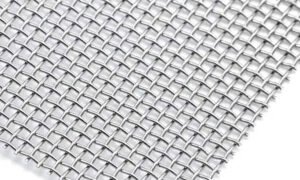
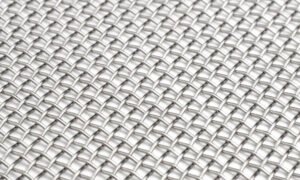
- Weave patterns: Plain, twill, dutch, reverse dutch
- Roll widths: Up to 3 meters
- Custom cutting: Sheets, discs, and shaped components
Conclusion
Choose 304 when: Your application involves standard industrial environments without exposure to chlorides, salt, or aggressive chemicals. It is the cost-effective workhorse for most applications.
Choose 316 when: You are operating in marine environments, processing chlorinated products, or require maximum corrosion resistance and longevity.
Still unsure which grade is right for your application? Contact PFM SCREEN technical team for personalized consultation. With our 30+ years of expertise, we will help you select the optimal material to ensure reliable performance and maximum value.
About PFM SCREEN
PFM SCREEN GROUP is a global manufacturer specializing in industrial wire mesh, metal conveyor belts, and polyester filtration fabrics. Since 1987, we have served customers across oil and gas, food processing, pharmaceutical, and chemical industries with high-quality, customized solutions.
Website: https://pfmscreen.com